
What Happens When Your SaaS Provider Goes Offline
SaaS outages can stop operations instantly. Learn why organisations need independent backup and recovery to maintain continuity.


SaaS outages can stop operations instantly. Learn why organisations need independent backup and recovery to maintain continuity.
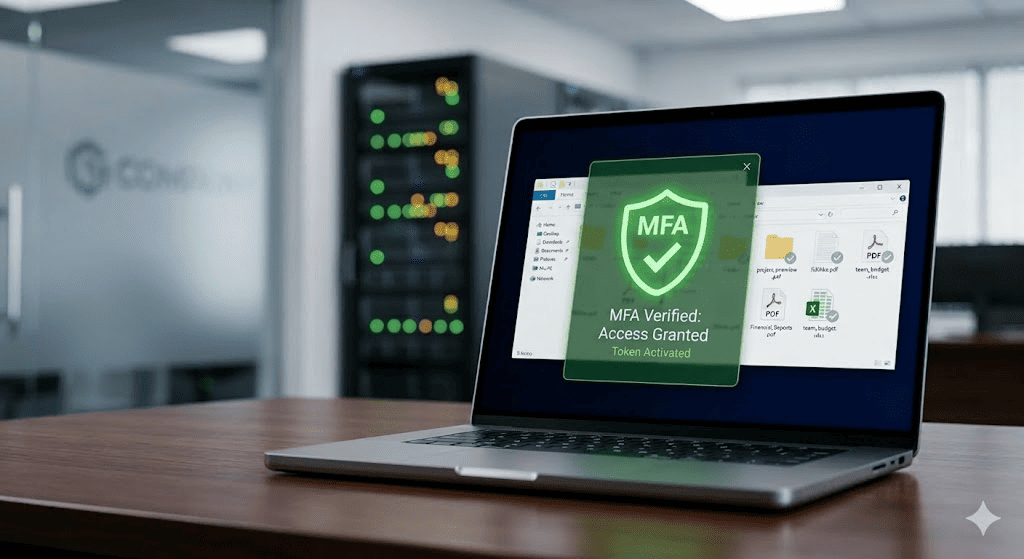
Many organisations rely heavily on multi factor authentication (MFA) to protect access to systems, cloud services and sensitive data. And in most cases it works well.
But a growing number of attacks no longer try to break authentication. Instead attackers focus on stealing something even more powerful. An already authenticated session.
One hour of downtime can cost far more than lost revenue. It includes productivity loss, contractual exposure, regulatory risk under GDPR and NIS2, insurance implications and leadership accountability. For many mid-sized organisations, the cost of downtime can reach tens of thousands per hour. The real risk is not the outage itself, but whether you can prove you are able to recover quickly and responsibly.
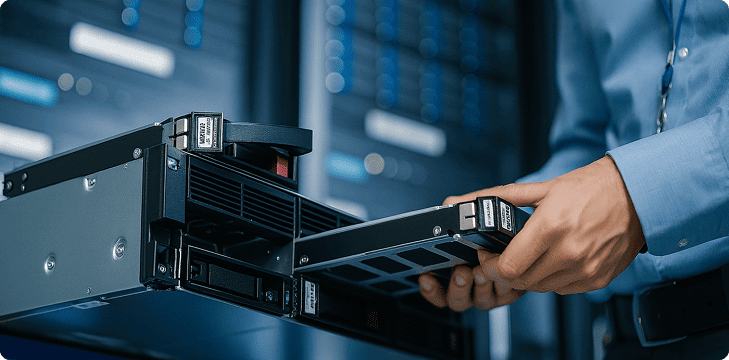
In today’s European business landscape, data is one of the most critical assets an organization has. Many companies maintain backups, but too often, backups are assumed to work rather than proven to be effective. Effectiveness means more than storing copies of data, it requires confidence that data can be restored when needed, in compliance with regulations, and within acceptable operational limits.
With increasing regulatory demands under GDPR, NIS2, and ISO 27001, organizations must demonstrate that backup and recovery processes are not just present, but measurable, verifiable, and reliable. Without this assurance, organizations risk not only operational disruption but also reputational damage and unplanned costs.
In boardrooms across Europe, conversations about infrastructure are increasingly focused on control. Control over cost, over operational risk, and over recoverability. The question is no longer whether backups exist. The real question is whether recovery can be proven under pressure.

In today’s digital landscape, the market for Microsoft 365 backups is expanding rapidly, driven by rising cyber threats targeting Office documents. Surveys indicate that these files are prime targets for vulnerabilities, with attempts affecting up to 80% of cases. As organizations recognize the need for specialized protection, the focus shifts to efficient, cost-effective solutions that align with EU regulations.

As organizations increasingly rely on PowerBI for real-time analytics, the shift to hybrid cloud environments introduces new challenges in data management. With data spread across on-premises systems and cloud platforms, ensuring robust protection becomes essential to avoid interruptions in decision-making processes. This is particularly relevant in the EU, where regulations like GDPR and NIS2 demand strict controls over data residency and recoverability.
As supply chain attacks continue to escalate, IT managers and CISOs face mounting pressure to safeguard their organizations. Recent trends highlighted by cybersecurity expert Florian Roth indicate a sharp rise in these incidents during Q4 2025, often targeting vulnerabilities in software dependencies, cloud services, and third-party vendors. This not only disrupts operations but also exposes businesses to significant downtime costs and regulatory scrutiny.

As ransomware attacks evolve in sophistication, managed service providers (MSPs) face increasing pressure to safeguard client data effectively. Reports from cybersecurity authorities indicate a surge in AI-enhanced threats, with attackers bypassing traditional defenses more frequently. For MSPs operating in the EU, integrating AI anomaly detection for MSPs into backup workflows offers a practical way to detect irregularities early, reducing the risk of data loss and operational disruptions.
In today’s hybrid work environments, Google Workspace has become a cornerstone for collaboration and productivity across EU businesses. However, recent SaaS backup reports for 2025 highlight critical vulnerabilities in its native retention policies, where data can be lost to accidental deletions, insider threats, or cyberattacks within limited recovery windows—often just 30 days. This exposes organizations to operational disruptions, especially as hybrid adoption surges and data volumes grow in regulated sectors.